
What role do volunteers play in assisted living?
Volunteers help make assisted living communities more connected, engaging, and responsive to residents’ interests. They may spend time with residents, assist with activities, read aloud, share musical or creative talents, support community events, or provide friendly conversation.
Their role is usually supplemental rather than clinical. Volunteers do not replace licensed nurses, aides, activity staff, social workers, or other employees. Instead, they add time, attention, and community involvement that can strengthen the resident experience.
For residents and families in Pottsville, volunteering can be especially valuable during seasons when weather, transportation, or shorter daylight hours make it harder for people to participate in activities outside the community.
What do volunteers typically do?
Volunteer duties vary according to the community, the volunteer’s skills, and the needs of residents. Common activities include:
- Visiting with residents who would enjoy conversation
- Reading newspapers, books, letters, or magazines aloud
- Playing cards, board games, puzzles, or simple group games
- Helping residents participate in arts, crafts, music, or exercise programs
- Assisting with holiday gatherings, birthday celebrations, and community programs
- Supporting religious, cultural, or educational activities
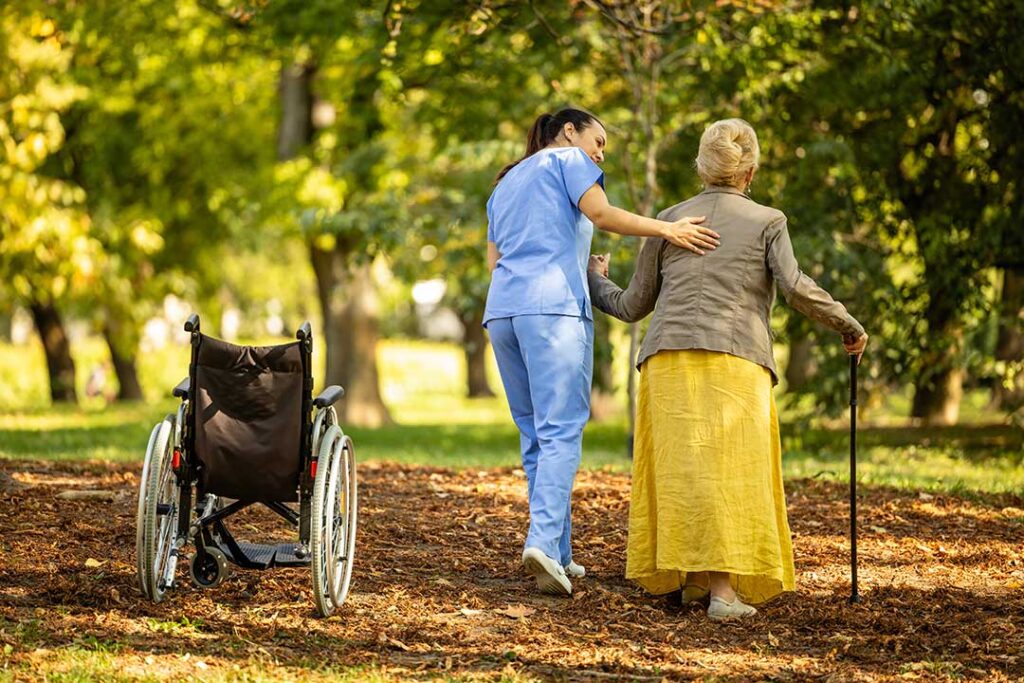
- Accompanying residents during supervised walks or social events
- Helping residents write letters, organize photographs, or use basic technology
- Performing music, presenting educational programs, or sharing a hobby
- Assisting staff with nonclinical preparation, such as arranging materials for an activity
Some volunteers visit on a regular schedule, while others participate in occasional events. Consistency can be particularly helpful for residents who benefit from familiar faces and predictable routines.
Can volunteers provide personal care or medical assistance?
Generally, volunteers should not provide medical care or perform tasks that require professional training or authorization. Personal care may include bathing, toileting, transferring, medication administration, wound care, or assistance with medical equipment. These responsibilities belong to qualified staff working within the community’s policies and applicable regulations.
Volunteers may also be restricted from:
- Giving medication or medical advice
- Handling confidential health records
- Driving residents in personal vehicles
- Assisting with lifts or transfers without specific authorization and training
- Providing unsupervised care to residents who have significant safety needs
- Managing money, valuables, or financial transactions for residents
A volunteer who notices a health, safety, or emotional concern should report it to staff rather than trying to manage the situation independently.
How do volunteers benefit residents?
The most direct benefit is increased social connection. A resident may have limited visits from relatives because of work schedules, distance, illness, transportation concerns, or family responsibilities. A trained volunteer can provide another dependable opportunity for conversation and companionship.
Volunteers may also help residents maintain interests that are not always easy to include in a busy daily schedule. A resident who enjoyed gardening, local history, poetry, knitting, sports, or music may appreciate someone willing to spend focused time on that interest.
Other potential benefits include:
- More opportunities for meaningful conversation
- Greater participation in activities
- Support for self-expression and creativity
- Reduced feelings of loneliness
- More contact between the community and the surrounding area
- Opportunities for residents to share their own knowledge and life experiences
The benefit is not limited to entertainment. A volunteer who listens carefully can help residents feel recognized as individuals rather than defined only by age, diagnosis, or care needs.
What should families ask about a volunteer program?
Families may want to ask how volunteers are screened, trained, supervised, and matched with residents. A well-organized program should explain expectations clearly and maintain boundaries that protect both residents and volunteers.
Useful questions include:
- Is a background check required?
- What orientation or training must volunteers complete?
- Are volunteers trained in communication, dementia awareness, emergency procedures, and privacy?
- Who supervises volunteer activities?
- What tasks are volunteers allowed to perform?
- How are visits documented or communicated to staff?
- Can residents decline a visit or activity?
- How does the community respond if a volunteer notices a concern?
- Are family members informed about volunteer visits when appropriate?

Residents should always be able to say no to a visit or activity. Consent matters even when the activity appears harmless. A resident’s preferences, energy level, privacy, and communication style should guide participation.
How can volunteers communicate respectfully with older adults?
Good volunteering depends more on patience and listening than on having an entertaining activity prepared. Volunteers should speak directly to residents, allow extra time for responses, and avoid assuming that a person cannot understand simply because speech, hearing, memory, or mobility has changed.
Respectful communication may include:
- Asking permission before beginning a visit or activity
- Using the resident’s preferred name
- Speaking clearly without shouting
- Reducing background noise when possible
- Offering choices instead of giving orders
- Avoiding baby talk or overly familiar language
- Listening without rushing to correct every detail
- Paying attention to facial expressions and body language
- Accepting that a resident may want quiet rather than conversation
For residents living with memory loss, arguing about a detail may create unnecessary distress. A calm response, gentle redirection, or discussion of a familiar interest may be more helpful than trying to prove who is right.
Are volunteers useful for residents with dementia?
Yes, volunteers can be useful when they receive appropriate guidance and work within clearly defined limits. Residents with dementia may benefit from short, familiar, structured activities such as looking through photographs, listening to music, folding towels, watering plants, or discussing past experiences.
The activity should match the resident’s abilities and current mood. A volunteer should not assume that a person with dementia will respond the same way every day. Fatigue, discomfort, medication effects, environmental noise, or changes in routine can affect participation.
Volunteers should report new confusion, agitation, falls, unusual withdrawal, or other concerns to staff. They should not attempt to diagnose the cause or independently change the resident’s routine.
What are the benefits for volunteers?
Volunteering can help people build communication skills, learn more about aging, and develop a clearer understanding of the experiences of older adults. It may also provide meaningful contact across generations and help students explore interests related to health care, social services, education, music, recreation, or community support.
For adults with flexible schedules, volunteering can create a regular connection with others. For families, it may offer a constructive way for older children or relatives to participate in community life, provided the activities are appropriate and supervised.
Volunteers should also recognize that the relationship is not one-sided. Residents often share stories, practical knowledge, humor, cultural traditions, and perspectives that volunteers may not encounter elsewhere.
How can local residents participate responsibly?
A person interested in volunteering should begin by asking an assisted living community about its current policies, orientation process, age requirements, scheduling, and permitted activities. Some communities may accept individual volunteers, student groups, performers, or organized service groups, while others may have limited capacity.
Reliable participation requires punctuality, confidentiality, appropriate clothing, and respect for staff instructions. Volunteers should stay home when sick, follow infection-control procedures, and understand that access to resident rooms or personal information may be restricted.
In Pottsville, seasonal conditions such as winter ice, snow, and early darkness may affect transportation and attendance. Planning ahead, allowing extra travel time, and confirming visits during severe weather can help prevent disruptions.
A successful volunteer program is built on clear boundaries, resident choice, staff oversight, and genuine human connection. Volunteers do not need to solve every problem. Their most valuable contribution may be consistent presence, careful listening, and helping residents take part in daily life on their own terms.
