
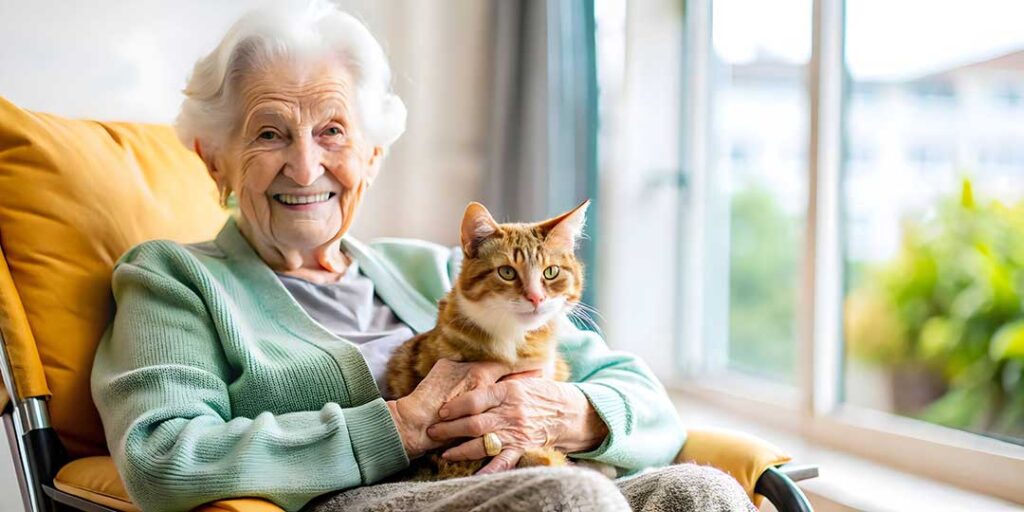
Assisted living can help prevent senior isolation by creating regular opportunities for conversation, shared activities, meals, and supportive relationships. The setting also provides daily structure, which can make it easier for older adults to stay socially connected after changes in health, transportation, housing, or family routines.
Why senior isolation can develop
Senior isolation is more than spending time alone. It describes limited social contact or few meaningful relationships, while loneliness is the personal feeling of being disconnected. A person may live alone and feel content, while another may feel lonely despite having people nearby.
Several changes can increase the risk of isolation:
- The loss of a spouse, sibling, or close friend
- Difficulty driving or using transportation
- Hearing or vision changes that make conversation harder
- Mobility limitations
- Chronic health conditions
- Retirement or reduced involvement in former activities
- Moving away from a familiar neighborhood or home
- Family members living far away or maintaining demanding schedules
For older adults in Pottsville, seasonal conditions can add another barrier. Snow, ice, cold temperatures, and shorter winter days may make it harder to drive, walk, or attend community activities. Even when weather is not severe, concerns about falling or navigating steps can lead someone to remain at home more often.
How does assisted living reduce isolation?
Assisted living reduces isolation by placing social opportunities within the resident’s normal daily routine. Older adults do not have to arrange every visit, travel long distances, or wait for someone to become available before having contact with others.
A typical assisted living setting may provide:
- Shared dining areas
- Common rooms for conversation and games
- Group exercise or movement programs
- Creative activities
- Educational discussions
- Music, celebrations, and seasonal events
- Outdoor areas or walking spaces
- Opportunities to help with simple community tasks
The value is not limited to large organized events. Brief, repeated interactions—greeting a neighbor in the hallway, sharing a meal, or talking with staff—can create a sense of belonging. Familiar faces and predictable routines are especially helpful for someone who has become hesitant to participate socially.
Are group activities enough to prevent loneliness?
No. Group activities can help, but they do not automatically create meaningful connection. Some residents may feel uncomfortable in large groups, have hearing difficulties, or prefer quiet conversation. Others may attend an activity without feeling personally included.
Effective social support usually includes several forms of interaction:
- One-to-one conversation
- Small groups based on shared interests
- Casual time during meals
- Family visits and phone calls
- Peer relationships with other residents
- Encouragement from staff to try activities
- Opportunities for residents to make choices and contribute
A person who does not enjoy bingo, exercise classes, or large gatherings may still benefit from reading with another resident, helping arrange decorations, tending plants, working on a puzzle, or talking over coffee. The goal is not constant activity. The goal is regular, comfortable connection that fits the individual.
What role do staff members play?
Staff members often notice changes that family members may not see because they interact with residents throughout the day. They may observe that a resident has stopped attending meals, spends more time alone, or appears unusually quiet.
Staff can help by:
- Introducing residents with similar interests
- Inviting someone personally rather than making a general announcement
- Checking whether hearing, vision, pain, or fatigue is affecting participation
- Adjusting activities for different mobility levels
- Helping a resident stay connected with family
- Recognizing cultural, religious, and personal preferences
- Following up when a resident repeatedly declines social opportunities
This support should encourage participation without forcing it. Older adults need control over how they spend their time. Respectful invitations are more effective than pressure, particularly for people who are shy, grieving, tired, or adjusting to a new living environment.
Can assisted living help residents maintain family relationships?
Yes. Assisted living can make family contact easier by reducing some of the practical responsibilities involved in daily care. Family visits can then focus more on conversation, shared activities, and emotional connection.
Useful approaches include:
- Setting a regular visiting routine
- Including the resident in family calls or video conversations
- Sharing photos, letters, or familiar objects
- Planning visits around the resident’s energy level
- Eating a meal together
- Bringing children or grandchildren for short, manageable visits
- Asking about memories, opinions, and preferences rather than only discussing health

Family involvement does not need to be frequent or lengthy to be meaningful. A predictable ten-minute call may provide more comfort than occasional contact that is difficult to plan.
What if a resident is quiet or does not join activities?
A quiet resident may be content, overwhelmed, depressed, physically uncomfortable, or unsure how to enter a social group. Refusing activities should not automatically be viewed as a personal preference.
Family members and staff can look for patterns. Questions worth considering include:
- Does the resident avoid only large groups or all interaction?
- Is hearing loss making conversation difficult?
- Does the resident participate at a different time of day?
- Has there been a recent loss, illness, or medication change?
- Does the resident feel welcomed by other participants?
- Are activities accessible for the person’s mobility and vision needs?
A gradual approach may work better than a busy event. Sitting with one person, taking a short walk, or joining an activity for ten minutes can be a reasonable starting point. If withdrawal is new, persistent, or accompanied by sadness, sleep changes, appetite changes, confusion, or loss of interest, the concern should be raised with the resident’s healthcare team.
How can older adults choose a socially supportive setting?
Social support should be part of evaluating an assisted living environment, not an afterthought. During a visit, families can observe whether residents appear engaged, whether staff greet people by name, and whether common spaces are actually being used.
Helpful questions include:
- What activities are offered on ordinary weekdays?
- Are there small-group options as well as large events?
- How are new residents introduced to others?
- Can residents suggest or lead activities?
- How are residents supported if they have hearing, vision, or mobility limitations?
- Are meals served in shared areas?
- How are family visits and private conversations accommodated?
- What happens if a resident becomes socially withdrawn?
The most suitable environment will vary. Some people want a full calendar of activities, while others prefer a peaceful setting with a few dependable opportunities to connect. A good fit respects personality, health, culture, interests, and the resident’s preferred level of independence.
What can families do after a move?
Social adjustment often takes time. Moving from a private home to assisted living may involve grief, uncertainty, and a temporary loss of familiar routines. Families can help by remaining consistent, asking open-ended questions, and avoiding assumptions that a resident should quickly become socially active.
Rather than asking only, “Did you go to an activity?” family members might ask:
- “Who did you talk with today?”
- “What part of the day felt easiest?”
- “Was there anything you would have enjoyed more if it were different?”
- “Would you like help finding someone who shares that interest?”
Assisted living cannot replace family, lifelong friends, or personal choice. It can, however, provide the daily structure and nearby human contact that make connection more possible—especially when transportation, weather, health, or living alone has narrowed an older adult’s social world.
