
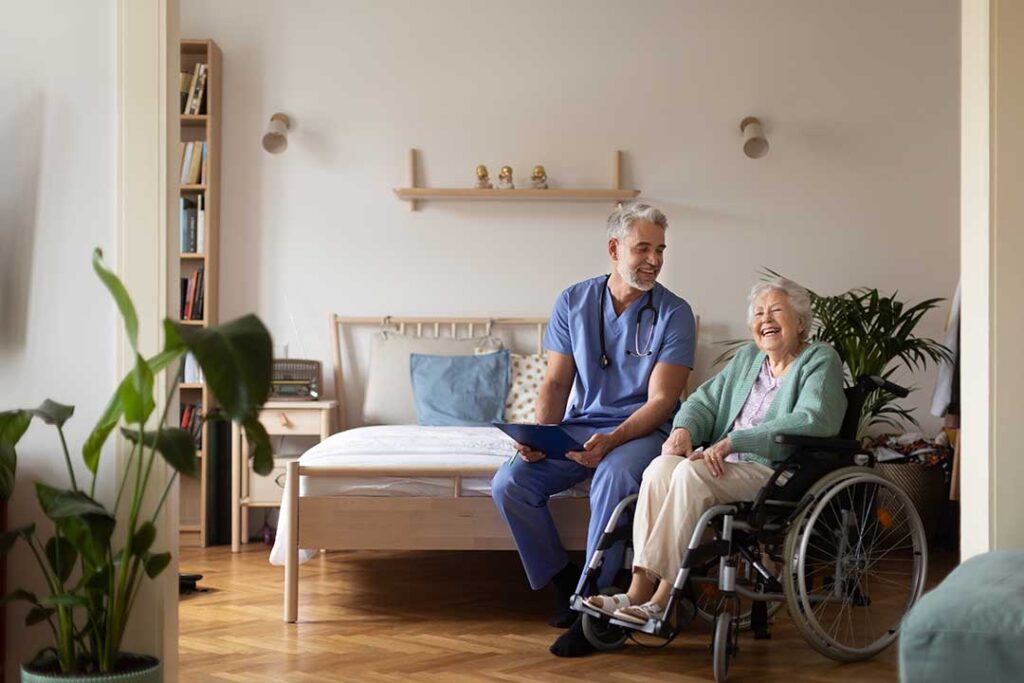
Falls are not an unavoidable part of aging. In assisted living, prevention works best when it combines safe surroundings, appropriate mobility support, regular health reviews, and a clear plan for responding after a fall. The goal is not to restrict independence, but to make ordinary activities—getting out of bed, bathing, walking to meals, and going outdoors—more secure.
Why are older adults at higher risk of falling?
Fall risk often results from several small factors rather than one obvious problem. Muscle weakness, changes in balance, poor vision, foot pain, dizziness, medication side effects, and low blood pressure when standing can all contribute. A previous fall is also a warning sign that deserves follow-up, even if there was no injury. ([nia.nih.gov](https://www.nia.nih.gov/health/falls-and-falls-prevention/falls-and-fractures-older-adults-causes-and-prevention?utm_source=openai))
Fear of falling can create another problem. Some residents begin avoiding walks, activities, or social events, which may lead to less movement and further loss of strength. A safer approach is supervised, appropriate activity rather than unnecessary inactivity.
Questions worth asking include:
- Has the resident fallen or nearly fallen during the past year?
- Do they feel unsteady when standing or walking?
- Are they worried about falling?
- Do they become dizzy after sitting up or standing?
- Have there been recent changes in medication, vision, hearing, or walking ability?
A “yes” to any of these questions supports a more detailed fall-risk review. The CDC’s STEADI approach uses fall history, balance, strength, medications, vision, and home hazards as key areas for assessment. ([cdc.gov](https://www.cdc.gov/steadi/?utm_source=openai))
Which room and hallway hazards should be addressed first?
The most useful safety check follows the resident’s actual routine. Observe the path from the bed to the bathroom, from the apartment or room to common areas, and from the building entrance to transportation or outdoor spaces.
Look for:
- Loose rugs, curled mats, clutter, and electrical cords
- Dim lighting, glare, or shadows along walking routes
- Furniture that narrows hallways or blocks a clear turning space
- Wet floors, unsecured bath mats, and poorly placed toiletries
- Beds or chairs that are difficult to rise from
- Frequently used items stored too high or too low
- Stairs without sturdy handrails or with inconsistent lighting
Nighttime deserves special attention. A person who walks safely during the day may be at greater risk when waking urgently, feeling groggy, or navigating a dark room. A light switch, motion-activated light, or clearly visible night-light can reduce the need to walk in darkness.
Assisted living residences should also keep walking routes clear during housekeeping, repairs, deliveries, and seasonal decorating. A temporary item left in a hallway can be just as hazardous as a permanent obstruction.
How do winter conditions affect fall prevention in Pottsville?
Cold-weather conditions require a separate plan. Snow, ice, slush, and wet entryways can make the transition between indoors and outdoors more dangerous. Meltwater tracked inside may create a slippery surface near entrances, elevators, and vestibules.
Practical precautions include:
- Clearing snow and ice from walking routes before residents use them
- Applying an appropriate traction material to icy areas
- Keeping absorbent mats flat and secured at entrances
- Allowing extra time for outdoor movement rather than rushing
- Using handrails and keeping one hand free for balance
- Wearing supportive shoes with nonskid soles
- Moving appointments, walks, or errands indoors when conditions are unsafe
Older adults should not be expected to test an icy walkway themselves. If a path looks questionable, using a safer indoor route or waiting for it to be cleared is usually the better choice. NIA guidance specifically advises extra caution on wet or icy surfaces and recommends supportive, low-heeled footwear rather than socks or smooth-soled slippers. ([nia.nih.gov](https://www.nia.nih.gov/health/falls-and-falls-prevention/falls-and-fractures-older-adults-causes-and-prevention?utm_source=openai))
What footwear and mobility aids are safest?

Supportive shoes should fit securely, have good traction, and remain fastened while walking. Backless slippers, loose shoes, worn soles, and walking in socks can increase slipping or instability.
Canes and walkers are helpful only when they are the correct height and used properly. A walker that is too high, too low, damaged, or difficult to maneuver may create additional risk. Mobility equipment should not be borrowed or adjusted casually; the resident’s care team or clinician can determine whether the device fits and whether additional instruction is needed. ([nia.nih.gov](https://www.nia.nih.gov/health/falls-and-falls-prevention/falls-and-fractures-older-adults-causes-and-prevention?utm_source=openai))
Residents who use glasses should wear them as directed, especially on unfamiliar routes. Bifocals may make changes in flooring or steps harder to judge for some people, so vision concerns should be discussed during an eye examination.
Can medications, dehydration, or dizziness cause a fall?
Yes. Some medicines may cause sleepiness, confusion, blurred vision, dizziness, or a drop in blood pressure. Risk can increase when several medications are taken together. A medication review should include prescriptions, over-the-counter products, and supplements. Medicines should never be stopped suddenly without medical guidance. ([nia.nih.gov](https://www.nia.nih.gov/health/falls-and-falls-prevention/falls-and-fractures-older-adults-causes-and-prevention?utm_source=openai))
Standing up slowly is a simple precaution. Before walking, a resident can sit at the edge of the bed, move the feet, and pause to notice whether lightheadedness is present. Staff should be told about repeated dizziness, faintness, unusual weakness, or new difficulty walking.
Dehydration, poor sleep, illness, and missed meals may also affect concentration and balance. A sudden change in steadiness should not be dismissed as normal aging. It may signal an infection, medication problem, blood-pressure issue, or another condition requiring evaluation.
What exercises help reduce fall risk?
Strength and balance activities can support safer walking and transfers. Suitable options may include supervised leg-strengthening exercises, repeated sit-to-stand practice, balance exercises, walking, or structured activities such as tai chi when appropriate for the resident’s health and abilities. NIA identifies regular physical activity, strength training, and balance work as important parts of fall prevention. ([nia.nih.gov](https://www.nia.nih.gov/health/falls-and-falls-prevention/falls-and-fractures-older-adults-causes-and-prevention?utm_source=openai))
Exercise should match the person’s current ability. Someone who is unsteady should not begin challenging balance exercises alone. The aim is steady participation, not speed or difficulty. Fear of falling, joint pain, recent surgery, or a new decline in mobility should be discussed before changing an exercise routine.
What should happen after a fall?
A fall should be reported and documented even when the resident says they feel fine. Some injuries, medication problems, and medical changes are not immediately obvious. The record should include where and when the fall occurred, what the resident was doing, footwear, lighting, possible symptoms, and whether there was a head impact.
After a fall:
- Do not rush to lift the person.
- Check for severe pain, bleeding, confusion, breathing difficulty, or inability to move.
- Follow the residence’s emergency procedures.
- Seek urgent medical help for suspected head, neck, hip, or spinal injury, loss of consciousness, severe pain, or a major change in behavior.
- Arrange follow-up for medication, vision, balance, and medical review.
- Recheck the location and circumstances to prevent a repeat event.
A resident who is on a blood thinner, struck their head, or develops worsening headache, vomiting, unusual sleepiness, weakness, or confusion needs prompt medical evaluation.
How can families and residents support prevention?
Fall prevention is more effective when residents and families share specific information. Mention near-falls, nighttime bathroom trips, new fear of walking, slipping outdoors, and difficulty rising from a chair. These details can reveal risks that a routine visit may miss.
Pennsylvania assisted living residences use assessment and support planning processes to identify individual care needs. A practical plan should explain the resident’s mobility status, preferred walking aid, transfer needs, footwear concerns, emergency response, and changes that require reassessment. ([pa.gov](https://www.pa.gov/agencies/dhs/resources/licensing/pch-alr-licensing/pch-alr-compliance-forms?utm_source=openai))
The safest plan is specific and revisited after a fall, hospitalization, medication change, illness, or noticeable change in strength or balance.
